
5 Days Rwanda Quick Luxury Gorilla Safari
This itinerary is built for travelers who want the full high-end Rwanda gorilla experience without a long road trip — essentially one flight in, one region, minimal driving, and maximum polish. It works well as a standalone trip or as the final leg of a longer East Africa safari.## Day 1: Arrival in Kigali → Transfer to Volcanoes National Park
Most international flights land at Kigali International Airport in the late morning or early afternoon (via routes through Addis Ababa, Nairobi, Brussels, Doha, or Amsterdam). On arrival, you’ll clear immigration and customs quickly — Rwanda’s entry process is famously efficient — and be met by your lodge’s driver-guide or a private transfer service.
From Kigali, Volcanoes National Park sits roughly 2.5–3 hours northwest by paved, well-maintained road through Rwanda’s “land of a thousand hills,” with rolling tea plantations, terraced farmland, and small trading towns along the way. Many travelers stop briefly at a coffee or tea cooperative, or at a roadside market, to stretch and take photos. For those short on time or wanting to start the trip with a flourish, several lodges (Bisate, Singita Kwitonda, and others) offer helicopter transfers from Kigali, cutting the journey to about 20–25 minutes and giving you an aerial view of the volcanoes.
You’ll arrive at your lodge by mid-to-late afternoon, giving time to settle in, enjoy a welcome drink, and rest before dinner. Given the altitude (most lodges sit between 2,000–2,500m), an early night is wise ahead of trekking.
Lodge options for this itinerary:
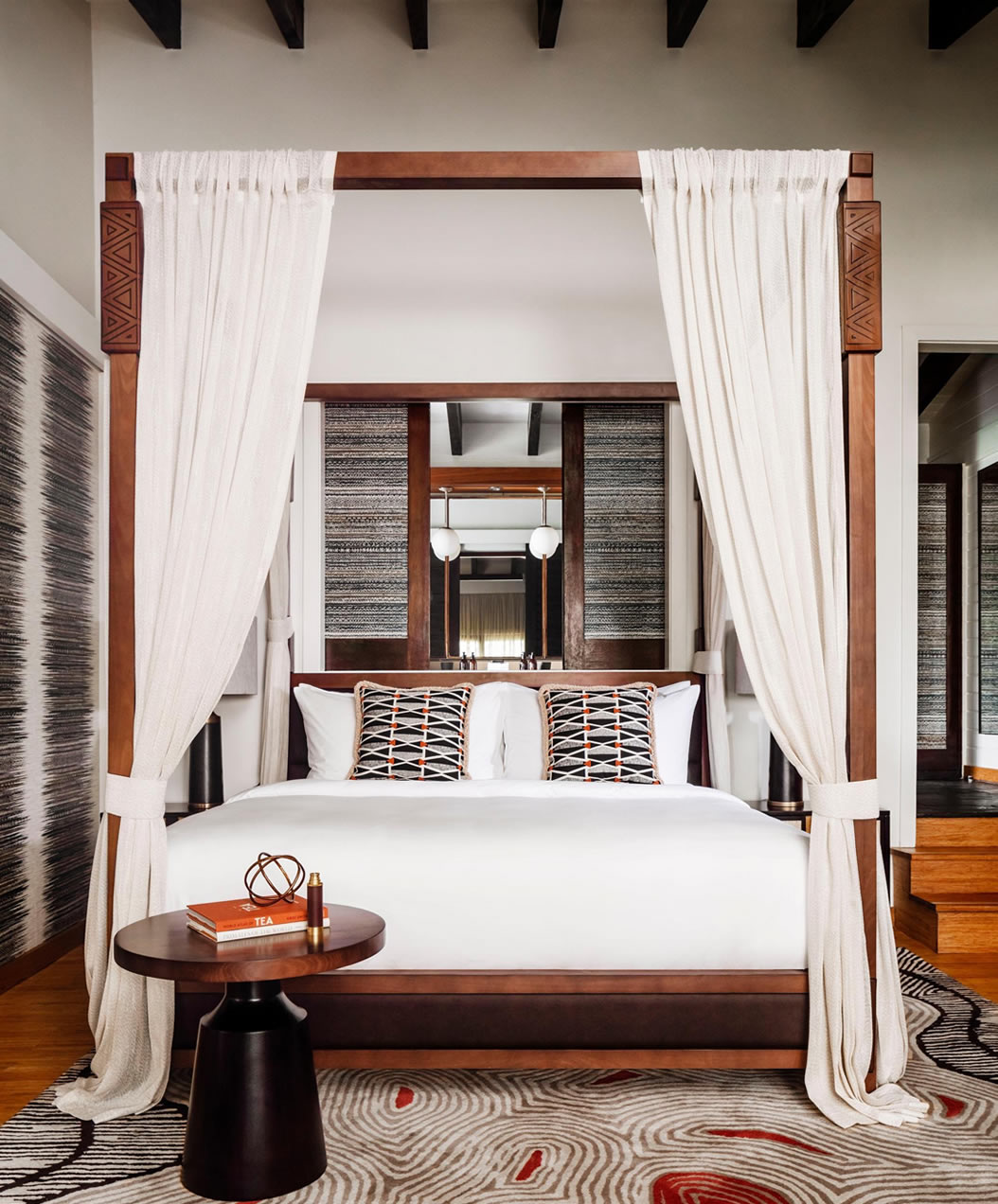
- Bisate Lodge (Wilderness) — six dramatic forest-villa suites built into an eroded volcanic cone, with award-winning architecture and a strong reforestation/conservation program. From roughly $3,700 per person per night, all-inclusive.
- Wilderness Sabyinyo — closer to the park boundary, classic and understated luxury with excellent gorilla-trek logistics.
- One&Only Gorilla’s Nest — polished, contemporary luxury just minutes from the park headquarters at Kinigi, ideal if you want the shortest possible drive on trek morning.
- Virunga Lodge — perched on a ridge with sweeping views over Lakes Bulera and Ruhondo and the volcano chain; slightly more remote but extraordinary scenery. From around $2,200 per person per night.
Day 2: Gorilla Trekking
This is the centerpiece of the trip. You’ll have an early wake-up (around 4:30–5:00am) for a light breakfast before heading to Kinigi park headquarters for briefing at 7:00am. Rangers divide guests into small groups of up to eight, each assigned to one of the park’s habituated gorilla families based on fitness level and preference (some families are a short 30-minute walk from the trailhead; others can require 3–5 hours of hiking through dense, muddy forest and steep volcanic terrain).
Porters are available to carry packs and assist with the climb — hiring one is inexpensive and directly supports the local community, so most guides recommend it regardless of fitness level. Once your group locates the gorilla family (trackers go ahead each morning to find them), you’re permitted exactly one hour in their presence, at a required distance, though in practice interactions often feel remarkably close. Seeing a silverback at rest, juveniles playing, or a mother with an infant is the payoff for the effort, and it’s often described as one of the most moving wildlife experiences available anywhere.
Permits cost $1,500 per person and must be booked well in advance (sometimes 6–12 months ahead in peak season, June–September and December–February). One trek is sufficient to justify the trip and is all most itineraries need, though this schedule allows for the possibility of a second experience the following day.
Afternoons are unstructured: recover at the lodge with a spa treatment, relax by the fire, or take a gentle guided nature walk near the property. Dinner is typically a multi-course affair showcasing Rwandan ingredients with international technique.
Day 3: Second Trek or Golden Monkey Tracking
This day offers flexibility depending on how much you want to pack in:
- Second gorilla trek: Some travelers, especially photographers or repeat visitors, opt for a second permit to visit a different family or improve on trekking conditions/light from the previous day. This requires booking and paying for an additional permit in advance.
- Golden monkey trekking: A lighter, shorter alternative (usually 1–3 hours round trip) to track endangered golden monkeys in the bamboo forest at lower elevation. It’s less physically demanding than gorilla trekking and a good complement if you want a second wildlife activity without another full-day exertion. Permits run around $100 per person.
- Rest and lodge activities: Given the intensity of Day 2, some travelers simply use Day 3 to enjoy their lodge fully — guided birdwalks, cultural performances, spa time, or a leisurely exploration of the surrounding countryside and local villages.
Evening again returns to the lodge for dinner and, at higher-end properties like Bisate or Virunga, often a fireside stargazing session or astronomy talk given the high-altitude clarity of the skies.
Day 4: Dian Fossey Hike, Culture, or Early Departure
Day 4 branches into a few compelling options depending on your interests and remaining time:
- Dian Fossey Tomb/Karisoke Research Center hike: A moderately strenuous 2–3 hour trek (each way) through the forest to the site where Dian Fossey lived, worked, and is buried alongside several of the gorillas she studied. It’s a poignant, history-rich alternative to a third day of trekking, appealing to those interested in the conservation story behind Rwanda’s gorilla program.
- Village and cultural visit: A half-day visit to a community project such as the Iby’Iwacu Cultural Village near Kinigi, where former poachers now work in conservation and tourism. Visitors can see traditional dance performances, learn about Rwandan customs (including a mock traditional wedding ceremony), and visit a local homestead — a meaningful way to understand the human side of the region alongside its wildlife.
- Twin Lakes or Musanze Caves: A gentler half-day option — boat excursions on Lake Burera/Ruhondo, or exploring the Musanze volcanic caves, both easy additions if you want something scenic but low-effort.
- Early departure: If your trip is compressed into four days, this is instead your transfer-and-fly-out day: drive or helicopter back to Kigali, with time for a final coffee tasting, craft market visit (Kimironko Market or Inema Arts Center), or genocide memorial visit (Kigali Genocide Memorial) if you have a few hours before your evening flight.
Day 5 (Optional): Kigali and Departure
For the five-day version, spend Day 5 easing back into Kigali. Many travelers use this day for:
- A city tour covering the Kigali Genocide Memorial (a sobering but important stop for understanding modern Rwanda), the vibrant Kimironko Market, and upscale neighborhoods like Kiyovu or Nyarutarama.
- Shopping for Rwandan coffee, tea, and crafts — Inema Arts Center and Question Coffee are popular stops.
- A relaxed final lunch before an evening or overnight international departure.
Practical Notes
- Best season: June–September and December–February are drier and considered prime trekking months, though gorilla trekking happens year-round.
- Fitness: A reasonable level of fitness is recommended; treks can involve steep, muddy, high-altitude terrain, though porters and flexible group assignments help accommodate a range of abilities.
- Packing: Waterproof hiking boots, gardening gloves (for gripping stinging nettles and vines), layered clothing, and rain gear are essential regardless of season.
- Budget expectation: Between permits ($1,500 per gorilla trek), luxury lodge rates ($2,200–$3,700+ per person per night, all-inclusive), and transfers, this itinerary sits firmly in the ultra-luxury bracket — but delivers an extraordinarily polished, low-hassle version of one of Africa’s most sought-after wildlife experiences.
This structure keeps driving to an absolute minimum — essentially one road (or helicopter) transfer in each direction — while concentrating the experience around the single unmissable highlight: face-to-face time with mountain gorillas in one of the most beautiful volcanic landscapes on the continent.
Gorilla Trekking Packing List
Clothing
- Long-sleeved shirts in neutral/earth tones.
- Long, sturdy trousers — tuck into socks or gaiters to block nettles and safari ants
- Fleece or warm mid-layer — mornings at altitude are cold
- Waterproof, breathable rain jacket — rain is likely any time of year
- Gardening-style gloves — the forest is full of stinging nettles and thorny vines you’ll grab for balance
- Gaiters (highly recommended) — keep ants and moisture out of your boots
- Change of clothes to leave in the vehicle for after the trek
Footwear
- Waterproof hiking boots with ankle support and good tread
- Extra socks (wool or synthetic, not cotton)
Trekking Gear
- Walking/hiking stick — usually provided free at the park, but bring your own trekking poles if you prefer
- Daypack (20–30L) to carry water, rain gear, snacks
- Water (2+ liters) and energy snacks
- Porter tip cash — hiring a porter (often $15–20) is strongly recommended and supports the local community, even if you’re fit
Health & Comfort
- Insect repellent (DEET-based)
- Sunscreen and a sun hat
- Personal first-aid kit — blister plasters, pain relievers, rehydration salts
- Hand sanitizer
- Face mask — some parks still recommend/require masks near gorillas since they’re susceptible to human respiratory illness
Photography
- Camera with a good zoom lens — flash photography is prohibited near gorillas
- Extra batteries/memory cards (charging can be unreliable at lodges)
- Dry bag or plastic bags to protect gear from rain and mud
A few practical notes: trekking can range from a 30-minute walk to a 6+ hour hike depending on where the gorilla family is that day, and you must be at least 15 years old and keep a 7-meter distance from the gorillas. If you’re currently sick (cough, cold, flu-like symptoms), most parks will ask you to reschedule, since gorillas can catch human illnesses.
Classic 3-Day Gorilla Trek in Rwanda's Volcanoes National Park
Volcanoes National Park (Parc National des Volcans), in Rwanda’s northwest near Musanze, is the most accessible of the three countries where mountain gorillas survive in the wild. This classic three-day itinerary is built around a single, unforgettable gorilla trek, bookended by cultural encounters and time to explore the volcanic landscape that gives the park its name.
Day 1: Arrival in Kigali and Transfer to Musanze
Your adventure begins at Kigali International Airport, where a driver-guide will meet you for the roughly three-hour drive northwest to the Musanze/Kinigi area, gateway to Volcanoes National Park. The route itself is a scenic introduction to Rwanda — the “Land of a Thousand Hills” lives up to its name, with terraced hillsides, banana plantations, and tea estates unrolling along the way. Most itineraries build in a short stop in Kigali before departure: a visit to the Kigali Genocide Memorial offers important historical context for understanding modern Rwanda, though travelers pressed for time or arriving late may skip straight to Musanze.
As you approach the park, the twin volcanic cones of Bisoke and Karisimbi rise dramatically from the plains, often wreathed in cloud. Check into your lodge in the Kinigi area — options range from comfortable mid-range lodges to luxury properties like Bisate Lodge or Singita Kwitonda, most offering views straight onto the volcanoes. Use the afternoon to rest and acclimatize; Volcanoes National Park sits at an elevation of roughly 2,400–2,600 meters (7,800–8,500 feet), and a good night’s sleep matters before tomorrow’s trek. Many guests use this time for a briefing with their guide, confirming pickup times and reviewing what to pack: waterproof hiking boots, a rain jacket, gardening-style gloves for grabbing stinging nettles and vines, long trousers tucked into socks, and a daypack with water and snacks. An early dinner and lights-out are recommended, since trekking day starts before dawn.
Day 2: Gorilla Trekking Day — The Heart of the Experience
This is the day the whole trip is built around. Guests gather at Kinigi Park Headquarters by around 7:00 a.m. for registration, a briefing from park rangers, and a short traditional dance performance by local Intore dancers, which helps ease the pre-trek anticipation. Here you’ll also meet your dedicated tracking group of up to eight visitors, assigned to one of the park’s habituated gorilla families based on fitness level and trekking preference — some families live in relatively gentle terrain near the park boundary, while others require longer, steeper climbs into the bamboo and montane forest.
After the briefing, you’ll be driven to your group’s trailhead, where you can hire a porter (roughly $15–20, highly recommended both to support the local community and to have a free hand for the climb). The trek itself is unpredictable by design: rangers and trackers head out at dawn to locate the gorilla family’s overnight nesting site, so your hiking time can run anywhere from 30 minutes to six or seven hours through volcanic forest, bamboo thickets, and sometimes mud and stinging nettles. It’s physically demanding but achievable for most reasonably fit travelers, and the terrain and duration are exactly what your guide assessment this morning was designed to match to your ability.
Then comes the payoff: once your group’s trackers signal that the gorillas have been found, you leave your walking sticks and porters behind and approach quietly with rangers, spending a strictly regulated one hour in the presence of a wild mountain gorilla family. You may watch silverbacks lounging, females nursing infants, juveniles tumbling through the undergrowth, and the family feeding just meters away. Flash photography is prohibited, and rangers keep the group at a respectful distance for the animals’ health and safety, but the encounter is famously intimate — many describe it as one of the most moving wildlife experiences on earth.
The permit required for this single hour is Rwanda’s signature high-value conservation tool: the standard rate for international visitors is $1,500 per person (discounted rates of $500 apply for East African residents in certain periods, and Rwanda periodically runs lower-season pricing — it’s worth checking current rates with the Rwanda Development Board or a licensed operator when booking, since these change from year to year). The fee funds park protection, anti-poaching patrols, and community development programs in the surrounding villages.
After the trek, you’ll return to the trailhead and back to your lodge for a well-earned rest, a hot shower, and a relaxed afternoon. Many lodges issue a certificate commemorating your trek. If energy allows, some travelers add an afternoon visit to the Ellen DeGeneres Campus of the Dian Fossey Gorilla Fund near Kinigi, which tells the story of Dian Fossey’s conservation work and the history of gorilla research in the Virungas.
Day 3: Cultural Immersion and Departure
With the trek behind you, the final day shifts toward culture and gentler activities before departure. A popular choice is a visit to the Iby’Iwacu Cultural Village, just outside the park, where former poachers turned conservation advocates lead visitors through demonstrations of traditional Rwandan life — thatched hut construction, banana beer brewing, traditional medicine, drumming, and dance. It’s an engaging, community-run experience that also supports local livelihoods as an alternative to poaching.
Travelers with extra time or energy sometimes swap this for a half-day hike to the Twin Lakes (Buhondo and Ruhondo) or a golden monkey trekking excursion — a shorter, less strenuous permit-based activity within the same park that lets you observe playful, endangered golden monkeys in the bamboo forest. Both are excellent add-ons if your schedule allows a fourth activity slot before you need to head back.
By early-to-mid afternoon, it’s time for the drive back to Kigali, roughly three hours depending on traffic and stops. Many visitors use a final stop in Kigali for souvenir shopping — local crafts, Rwandan coffee, and woven baskets make popular mementos — before transferring to the airport for an evening departure flight.
Practical Notes
Book gorilla permits well in advance (ideally two to six months ahead, sometimes longer for peak June–September dates), since only 96 permits are issued daily across the park’s habituated families. The minimum age for gorilla trekking is 15. Pack layers, as weather shifts quickly at altitude, and bring cash for tips to trackers, porters, and rangers, which are
Gorilla Trekking Packing List
Clothing
- Long-sleeved shirts in neutral/earth tones.
- Long, sturdy trousers — tuck into socks or gaiters to block nettles and safari ants
- Fleece or warm mid-layer — mornings at altitude are cold
- Waterproof, breathable rain jacket — rain is likely any time of year
- Gardening-style gloves — the forest is full of stinging nettles and thorny vines you’ll grab for balance
- Gaiters (highly recommended) — keep ants and moisture out of your boots
- Change of clothes to leave in the vehicle for after the trek
Footwear
- Waterproof hiking boots with ankle support and good tread
- Extra socks (wool or synthetic, not cotton)
Trekking Gear
- Walking/hiking stick — usually provided free at the park, but bring your own trekking poles if you prefer
- Daypack (20–30L) to carry water, rain gear, snacks
- Water (2+ liters) and energy snacks
- Porter tip cash — hiring a porter (often $15–20) is strongly recommended and supports the local community, even if you’re fit
Health & Comfort
- Insect repellent (DEET-based)
- Sunscreen and a sun hat
- Personal first-aid kit — blister plasters, pain relievers, rehydration salts
- Hand sanitizer
- Face mask — some parks still recommend/require masks near gorillas since they’re susceptible to human respiratory illness
Photography
- Camera with a good zoom lens — flash photography is prohibited near gorillas
- Extra batteries/memory cards (charging can be unreliable at lodges)
- Dry bag or plastic bags to protect gear from rain and mud
A few practical notes: trekking can range from a 30-minute walk to a 6+ hour hike depending on where the gorilla family is that day, and you must be at least 15 years old and keep a 7-meter distance from the gorillas. If you’re currently sick (cough, cold, flu-like symptoms), most parks will ask you to reschedule, since gorillas can catch human illnesses.